













Logo

Rocketplay Login In 2026

Practical 2026 overview of access, registration, payments, support, and game control for adult users in Italy.

Fortune Gems 2 Slot

Table of Contents

  • The Dog House Megaways Slot
  • Lucky Joker 10 Extra Gifts Slot
  • Sword of Ares Slot
  • Floating Dragon Hold & Spin Slot
  • Leprechaun Riches Slot
  • Fruit Cocktail Slot
  • The Dog House Megaways Slot
  • Sword of Ares Slot
  • Fruit Million Slot
  • The Dog House Megaways Slot
  • Big Fisherman Slot
  • Big Fisherman Slot
  • Seven Books Unlimited Slot
  • RocketPlay Fortune Slot
  • Sword of Ares Slot
  • Floating Dragon Hold & Spin Slot
  • 9 Mad Hats Slot
  • Floating Dragon Hold & Spin Slot
  • Big Bass Splash Slot
Login 1

Rocketplay Sign In And Daily Access

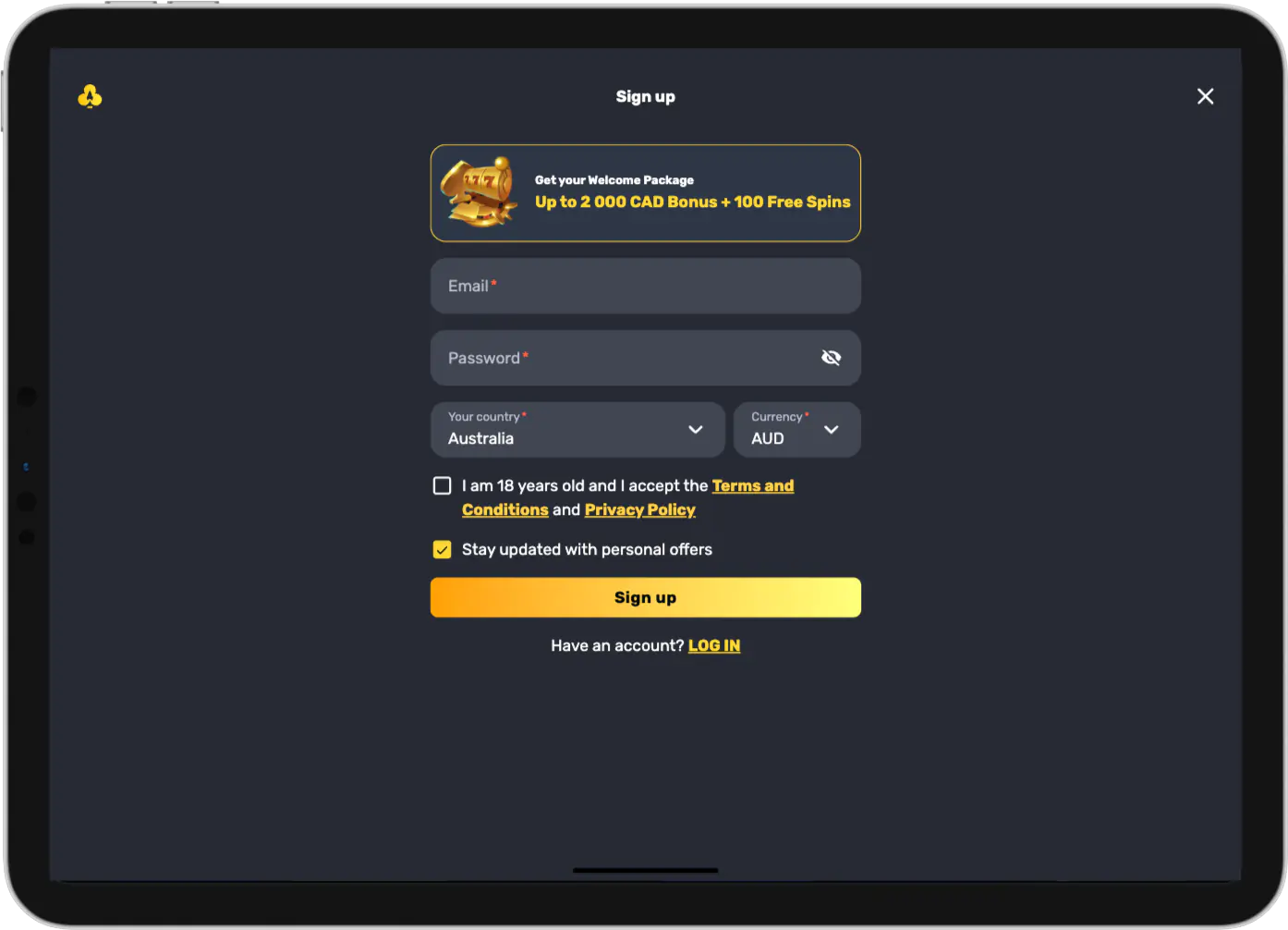
When a user returns to a gaming platform, they almost always think the easiest part is logging in. In practice, the opposite often happens. Access is the moment when small errors concentrate, which then cause more time loss: an old password saved in the browser, a number no longer in use, a secondary email opened by chance, a verification closed too quickly. Imagine returning home after work and wanting to have a short session without wasting ten minutes figuring out what's wrong. In that situation, you don't need to rush; you need to read the context carefully.

The most useful thing is to treat entry as a step to be done in order. First, check if the device is the usual one. Then, look at which contact is linked to the account and if you have received a message requiring confirmation. Only then should you try again. Many people do the opposite: they repeat the same action several times, change screens, go back, and end up confusing a small typing error with a normal security check. When the process is viewed this way, access stops seeming like an obstacle and becomes just the first step again.

Check the Device Before Logging In

Often the problem is not the account but the environment you are entering from. A new phone, an updated browser, a shared computer, or a different network can change the flow and make you think something is blocked. Imagine starting on your phone during a break and continuing later on your home laptop. If in between there's a verification or a wrongly auto-filled data, the experience changes immediately. Therefore, it's always advisable to first check the device, then the credentials, and only then evaluate if the error is truly due to the account.

What to Do If the Process Repeats

A screen that reappears doesn't necessarily mean there's a serious block. Sometimes it just means the system is waiting for a step you skipped or that the browser keeps suggesting outdated data. Imagine seeing the same request two or three times and thinking the only solution is to press again. Often, it's precisely that reflex that slows everything down. It's much better to stop, close unnecessary windows, recheck your credentials, and carefully read the message displayed at that moment.
Before the Account: Data, Order, Habits

An account that is easy to manage almost always stems from simple habits. Email you actually use, active phone number, well-kept password, profile filled with consistent data. This seems like obvious basic information, but many problems start precisely when these things are treated as secondary details. Imagine creating your profile late at night with the first address open on your phone, without asking yourself if it was really the right one to use long-term. The day you need a code or confirmation, that carelessness immediately returns in the form of complications.

Login 2

Order does not mean rigidity. It means removing noise. If you always use the same contact details, if you don't change your password impulsively, and if you don't leave dozens of logins saved on different devices, everything becomes more readable. For adult users in Italy, this is particularly useful because it simplifies both normal account management and moments when you need to stop, check a transaction, or ask for support. An organized profile doesn't eliminate every unforeseen event, but it ensures that unforeseen events remain small.

Use Real and Stable Contact Details

Many users choose a secondary email simply because it is already open at that moment. In the short term, it seems like a smart shortcut. In the medium term, however, it can turn into a continuous source of friction. Imagine receiving an important message there when you are convinced it will arrive at your main address. You are not facing a technical problem; you are simply chasing a choice made in haste. Therefore, it is advisable to use contact details that are already part of your daily routine, not temporary solutions that seem convenient only at the time of registration.

Login 3

Rocketplay Casino Registration Without Errors

Registration is not just the moment you open your account. It's the point where you decide if the profile will be easy to use tomorrow, next week, or next month. Many focus on completing the form as quickly as possible, but speed matters less than quality here. If the data is consistent, if the name is entered correctly, if the email and phone number are truly the ones you will use, the profile starts on solid ground. Imagine completing everything quickly, thinking that any small correction can be made later. In reality, those postponed micro-corrections are often the reason why the account feels heavier than necessary.

There is also an aspect that many overlook: registration is not only for logging in but also for preparing everything else. A payment, a request for clarification, a confirmation, a limit review. If the foundation is organized, every subsequent step appears more linear. If the foundation is fragile, every new step requires more attention, more time, and more patience. In a gaming environment for adults, this difference is quite significant.

Even the moment when you register affects the outcome. If you are doing everything between notifications, on your phone, in a hurry, the margin for error increases. Not because the process is complex, but because you have less attention available. Therefore, when possible, it is advisable to choose a slightly more stable moment, even just ten quieter minutes, and treat the profile as a foundation to be built well just once.

Payments, Budget, And First Real Decisions

After logging in and registering, the most important question isn't which game to open. It's how much you want to spend and with what logic. Many people arrive at the payment area without having decided on a precise amount and choose it by looking at their balance or the game sections. At that moment, money stops following a plan and starts reacting to the environment. Imagine wanting to have a short, moderate session, then finding yourself changing the amount just because you have the account in front of you and you already feel caught up in the flow. That's precisely where initial clarity can shift.

The most useful way to approach this phase is very simple. First, decide the amount. Then, choose the method. Only after that, execute the transaction. This order may seem trivial, but it truly changes the quality of the session. It also helps to better understand what happens later, especially if you need to review the history, understand a step, or check if your initial idea has remained the same.

Then there's the issue of withdrawal, which many only consider when the time comes to request it. In reality, it's advisable to think about it beforehand, at least in terms of profile organization and transaction clarity. If the data is consistent and the chosen method is familiar, the entire money flow becomes more readable. However, if you change too many variables along the way, every subsequent check becomes more difficult.

Account Appearance

What To Do

Why It's Useful

Payment Method

Choose a familiar option

Reduces errors and clarifies transactions

Deposit Amount

Decide the amount before opening the cashier

Helps maintain the initial budget

History

Review transactions after the session

Allows immediate understanding if something is wrong

Spending Limits

Set them before starting

Helps avoid extending the session without realizing it

Withdrawal

Verify profile details before requesting

Makes the process more linear

Temporary Break

Activate it if the initial plan changes

Restores control over time and money

Choose a Method That Remains Clear Even Tomorrow

The best method isn't always the one that seems fastest at that precise moment. It's often the one that allows you to understand the transaction well even the next day. Imagine using a solution you rarely open, just because it seemed convenient at that instant. The operation might be successful, but then you find yourself rereading the history, trying to remember exactly what you did. True convenience is what remains convenient even outside the session, when you need to understand and not just click.

How to Read a Withdrawal Without Anxiety

Money going out is often experienced with more tension than money coming in. That's normal. However, much of this tension arises from poorly organized expectations or profiles modified at the wrong time. Imagine requesting a withdrawal and, on the same day, changing your email or phone number. Even if everything is legitimate, the process becomes less linear. Keeping the account stable while sensitive transactions are happening reduces a lot of confusion and makes the flow more readable.

Stop Before Shifting the Plan

A session almost always begins with a clear idea. The problem arises when this idea starts to shift subtly, without you noticing. First a few extra minutes, then a slightly different amount, then a small exception that says, "it's okay for today." Imagine recognizing yourself in this mechanism even in the early stages. In that case, stopping immediately is much more valuable than trying to regain order later. Control works better when it intervenes early.

Session, Games, and Time Management

Having an organized profile and a clear budget isn't enough if the session is then approached without a minimum of criteria regarding time. A platform with many options can be convenient or distracting, and you make the difference. If you have twenty minutes but waste ten minutes jumping from one section to another, variety stops being an asset and becomes noise. Imagine logging in just to relax a bit, then realizing you're still choosing and the session hasn't even really started.

That's why it helps to ask a very simple question before opening any game: how much time do I really have? If time is short, it's usually best to choose something familiar, with a predictable rhythm and without too many steps. If, however, the evening is long, you can afford more exploration and more calm. In either case, the quality of the session improves when the game choice follows the available time and not the other way around.

Short Session or Long Evening

Short sessions work best when choices are few and clear. Imagine having only half an hour. In that case, switching between categories hoping to find "the perfect one" rarely helps. A longer evening, however, gives you space to read, compare, and change pace. The difference isn't in the platform, but in how you distribute your attention. Knowing what kind of session you want to have before entering avoids improvisation while time is running out.

Mobile or Desktop in Practice

The mobile version is useful when you want to do something quick and defined. The desktop version often helps more when you need to read, verify, compare, or understand a message. Imagine wanting to check your profile, a notification, or a series of transactions while you're away from home and keep receiving alerts on your phone. It works, of course, but requires more attention. Many adult users find it better to separate roles: mobile for immediacy, desktop for steps that require more calm.

Support, Verifications, and Control Tools

Support comes into play when there's a concrete problem: a recurring notification, an access issue, an unclear verification, or a transaction you don't quite understand. In these cases, how you describe the situation matters a lot. If you just write that "it doesn't work," support will have to start from scratch. If, instead, you explain what you wanted to do, from which device, at what stage, and what you saw on the screen, the response will be much more useful. Imagine changing phones and consistently receiving the same verification request from that moment on. That's already a precise context. And context is half the solution.

Furthermore, verifications shouldn't always be seen as an alarm. Sometimes they are simply a signal that the system has detected a normal change: a new browser, a new network, access from a different environment. If your profile is in order, these steps are resolved much more easily. If, however, you are already managing secondary emails, outdated numbers, and unclear passwords, every small alert seems more burdensome.

Control tools are precisely for preventing a session from extending out of habit or a budget from shifting without you noticing. Deposit limits, temporary breaks, and self-exclusion are not "extreme" measures. They are practical tools. Used at the right time, they make the initial plan much more concrete.

Writing to Support Effectively

The best help request isn't long. It's precise. Imagine needing to contact support because a confirmation repeats after changing devices. If you indicate when the problem started, the type of device, and the previous step, the conversation starts from a real fact. This significantly reduces unnecessary exchanges and makes support feel closer to the real problem, not a generic description.

Timeouts and Self-Exclusion in Real Life

Breaks and stronger measures make sense when you realize the session is no longer following the initial plan. There's no need to wait for an extreme situation. Imagine recognizing in time that you're continuing more out of inertia than decision. At that moment, a short break can do much more than willpower alone. It pulls you out of the flow, interrupts the automatic rhythm, and gives you a clearer perspective on what you're doing.

Why the Complete Flow Matters in Italy

In 2026, many users won't judge a platform by a single slogan or initial graphics. They judge it by the complete flow: access, registration, payments, history, support, limits, and the ability to stop without friction. Imagine two environments that look similar at first glance. One guides you logically. The other makes you correct small details at every step. In the long run, this difference is what truly counts.

For those who usa a platform in Italy, the feeling of continuity also matters. Entering from different devices without losing the thread, understanding transactions, knowing where to look if something is wrong, and having practical tools to control time and money makes the experience much more solid. Ultimately, trust isn't born from a generic promise, but from the sum of many normal actions that work in a clear order.

FAQ

The first thing to do is use the contact method actually linked to the profile and follow the recovery process without mixing too many different attempts. Many difficulties arise when the user tries secondary emails, old numbers, or unusual devices simultaneously. If, instead, you start from the main contact and calmly check the received messages, the recovery process becomes much more readable and less frustrating.

It depends on the type of action you want to perform and how much attention you have at that moment. For quick access or a simple check, the phone is often sufficient. For reading notifications, verifying transactions, or making more delicate changes, the computer tends to offer a more organized context. The best choice isn't absolute: it changes depending on what you actually need to do.

Always before opening the payments area. If you decide the amount later, when you already have the account in front of you and the session is almost started, the risk of improvising increases significantly. A pre-set amount helps to better read the rest of the session and immediately understand if the initial plan is still stable or not.

It's advisable to reconstruct the sequence in order: from which device you logged in, if you changed anything in your profile, which method you used, and at what time you noticed the difference. Very often, the transaction becomes more understandable when you place it back within the context of the session and don't look at it as an isolated piece of data.

Usually, there are quite clear signs: you keep postponing the time you decided to close, you change the amount you set for yourself, or you tell yourself you'll just stay a little longer. When these signs appear, it often means the session is no longer following the initial plan. Recognizing it early is already a form of control.

It makes sense as soon as you feel that time or money is starting to shift without a truly clear decision behind it. There's no need to wait for a difficult moment. In fact, these functions work best when used early, precisely at the point where the session is ceasing to resemble what you initially imagined.

For many adult users, reliability is measured in normal actions: logging in without too much friction, understanding the profile, reading transactions, receiving useful help, and finding easy-to-use control tools. It doesn't just depend on a reassuring message or good graphics. It depends on the daily journey making sense from start to finish.

EN